Large Animal Removal in Lexington, KY
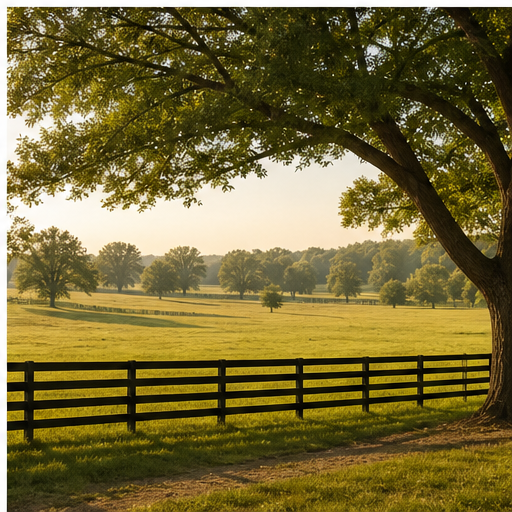
Lexington Animal Aftercare provides large animal removal help in Lexington, KY and surrounding areas.
Large animal removal for horses, livestock, and farm animals in Lexington, KY, sorted by access, timing, and preference. Use the simple form to include the property area, timing, access details, approximate size, and current condition.
Access details that matter for large animal removal
Large animal removal in Lexington and the Bluegrass region often depends on location, access, timing, and animal type. A useful request should say whether the animal is a horse, pony, cow, goat, sheep, alpaca, or another large animal; where the animal is located; whether a veterinarian is involved; and whether the animal is in a stall, barn aisle, pasture, paddock, field, trailer, clinic, or near a road. Ground conditions, gates, driveway width, slope, mud, fencing, barn height, and equipment access can all affect the plan.
If the situation involves a horse, compare this page with horse cremation, equine aftercare, and horse aftercare options. If the immediate need is pickup or removal rather than cremation planning, review the large animal removal process and large animal access checklist before calling.
Questions before scheduling pickup
Ask what information the provider needs before dispatch, whether they coordinate with veterinarians, what equipment may be required, what happens if access is unsafe, and how aftercare preferences affect cost. For farms and barns, mention who will be on site, whether gates are unlocked, where the truck can park, whether other animals need to be secured, and whether daylight or weather changes the timing.
Families and barn managers may also want to ask about cremation, disposal, return of ashes, keepsakes, paperwork, payment timing, and after-hours limits. The animal aftercare cost, questions to ask, and horse aftercare checklist pages can help organize those details for a clearer response.
More than just horses
While horses are the most common large-animal request in Fayette County and the surrounding Bluegrass region, Kentucky farms are home to a wide range of animals — cattle, goats, sheep, alpacas, pigs, and the occasional donkey or mule among them. Removal logistics for these animals share a lot in common with horse removal: the animal's size and location, ground and gate access, and how quickly help is needed all shape the plan, but the specifics can vary by species. Naming the animal type clearly in your first message helps a provider prepare correctly before arriving.
Working farms and daily operations
For many Bluegrass-area farms, a large-animal loss happens in the middle of an otherwise busy operating day, with other animals to feed, staff to manage, and boarders or clients who may need to be informed. Providers who work regularly with Kentucky farms tend to understand this and try to plan visits that are as unobtrusive as possible — using a specific gate, avoiding a busy paddock at feeding time, or coordinating around a boarding barn's schedule. Letting a provider know about these operational details in advance usually makes for a smoother visit.
Frequently Asked Questions
What large animals besides horses can this help with?
Cattle, goats, sheep, alpacas, pigs, and other farm animals are all part of large-animal removal. Mention the specific animal type and approximate size when you reach out.
How does removal timing usually work?
Timing depends on location, access, and provider availability. Let us know if your situation is urgent so it can be prioritized appropriately.
Will removal disrupt the rest of the farm?
Providers generally try to plan around a working farm's schedule and other animals. Share details like feeding times, active paddocks, or boarder activity so a visit can be planned thoughtfully.
What access details are most helpful to share?
Gate width, driveway or field surface, distance from the road, and whether other animals need to be moved or secured beforehand.
What happens after the animal is removed?
Aftercare options such as cremation vary by animal type and provider. It is reasonable to ask about these choices before or after removal, whichever feels right for your situation.
What to Include in Your Message
A gentle, unhurried message is easiest for us to help with. Sharing the animal's type and approximate size, your location within the Bluegrass region, your preferred timing, and any access details lets us understand your situation before we ever call. There is no wrong way to describe what happened — we only need enough to respond thoughtfully and point you toward the right next step.
What Can Shape Your Options
- Your location and how far it is from the areas we serve.
- Where the animal is now, and what access looks like for pickup.
- Timing — whether you need help today or are simply planning ahead.
- Your aftercare preference, such as private cremation, communal cremation, or return of ashes, if you already know what feels right for your family.