Dead Horse Removal in Lexington, KY
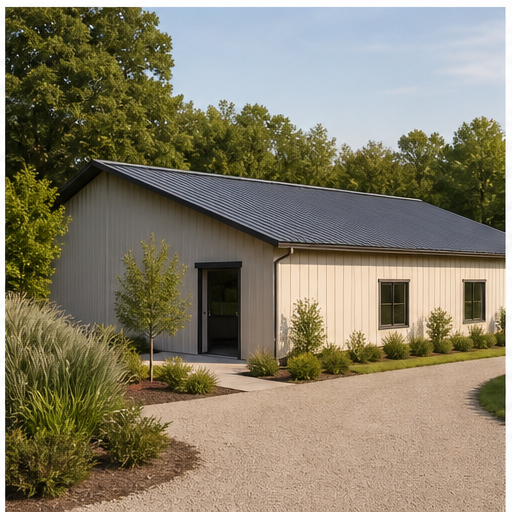
Lexington Animal Aftercare provides dead horse removal help in Lexington, KY and surrounding areas.
Respectful dead horse removal for Lexington-area farms and barns, with clear guidance on access, timing, and options. Use the simple form to include the property area, timing, access details, approximate size, and current condition.
A difficult moment on the farm
Finding a horse that has died — in a pasture, a stall, or along a fence line — is one of the harder moments a Kentucky farm can face, whether it happens on a small backyard property or a large boarding operation. There is often grief mixed with an immediate, practical problem: the animal needs to be moved safely and respectfully, and most families have never had to think through how that actually happens. This page is meant to explain the general shape of that process so the logistics feel a little less overwhelming.
Why access matters more than almost anything else
Removing a horse safely requires the right equipment to reach the animal, and Kentucky's rolling, sometimes muddy terrain can make that harder than it sounds. A field far from the road, a narrow farm gate, soft ground after rain, or a horse down in a low spot can all change what equipment is needed and how long the process takes. Sharing details about the location — how far from the road, what the ground is like, gate width, and whether other horses will need to be moved away first — helps a provider plan a safe visit without a wasted trip.
What tends to happen after removal
Once a horse has been removed, families are usually offered aftercare choices similar to those described on the horse cremation and horse aftercare options pages, which may include cremation or other locally appropriate arrangements. It is reasonable to ask about these options before removal happens, if you would like to make that decision ahead of time rather than afterward.
Frequently Asked Questions
How quickly can removal happen?
Timing depends on location, access, and provider availability. Share whether your situation is urgent so it can be prioritized appropriately, and be aware that some rural or difficult-access sites may take longer to reach.
What if the horse is in a hard-to-reach field?
Mention the distance from the road, ground conditions, and gate access when you reach out. This is often the biggest factor in how removal is planned.
Do other animals need to be moved first?
If other horses or livestock share the field or barn area, it helps to move or secure them ahead of time for their safety and to give equipment a clear path.
Can removal and cremation be arranged together?
Often, yes. Many families coordinate removal and cremation as one conversation rather than two separate calls. Mention your aftercare preference when you first reach out.
What should I do while I'm waiting for a response?
If possible, keep other animals away from the area and note any access changes, like a locked gate, so you can share that information when you connect with a provider.
What to Include in Your Message
A gentle, unhurried message is easiest for us to help with. Sharing the animal's type and approximate size, your location within the Bluegrass region, your preferred timing, and any access details lets us understand your situation before we ever call. There is no wrong way to describe what happened — we only need enough to respond thoughtfully and point you toward the right next step.
What Can Shape Your Options
- Your location and how far it is from the areas we serve.
- Where the animal is now, and what access looks like for pickup.
- Timing — whether you need help today or are simply planning ahead.
- Your aftercare preference, such as private cremation, communal cremation, or return of ashes, if you already know what feels right for your family.