Equine Aftercare in Lexington, KY
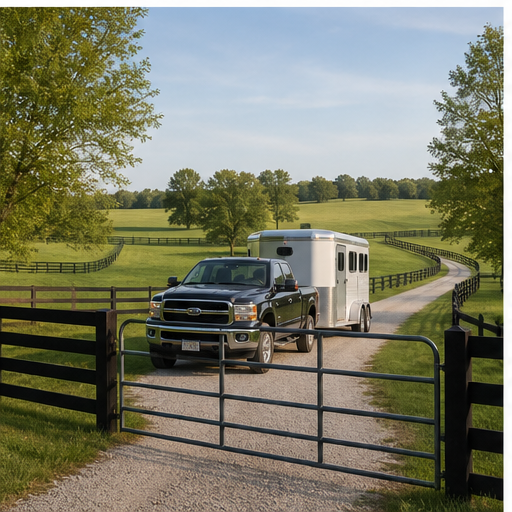
Lexington Animal Aftercare provides equine aftercare help in Lexington, KY and surrounding areas.
Equine aftercare guidance for Lexington-area horse farms: cremation, pickup, transport, and calm next steps. Use the simple form to include the property area, timing, access details, approximate size, and current condition.
Equine aftercare in the heart of horse country
Lexington calls itself the Horse Capital of the World for good reason — the farms of Fayette, Woodford, Scott, and Bourbon counties are home to Thoroughbreds, Saddlebreds, and every kind of backyard horse and pony in between. That density of horses, and of people who have devoted their working lives to them, means that equine end-of-life care is something the Bluegrass region deals with more often, and often more thoughtfully, than most parts of the country. Even so, when it is your horse, the questions still feel new: what are the options, who do you call, and what should you have ready before you pick up the phone. This page is meant to help with exactly that.
The range of aftercare paths
Equine aftercare generally falls into a few broad categories: cremation (individual or, where available, group), burial where local rules and land allow it, and removal or transport for other arrangements. Each option carries its own logistics, timing, and cost considerations, and the right choice often depends on the horse's location, the family's wishes, and what a given provider is able to offer in your specific part of the Bluegrass. The horse aftercare options page lays these choices out side by side, and horse cremation goes deeper into the cremation path specifically.
Planning ahead versus responding to an emergency
Some equine aftercare requests come from a sudden loss — a pasture accident, a colic emergency, an unexpected collapse. Others come from a family or barn manager who has watched an aging or ill horse decline and wants to think through options before a crisis arrives. If your horse is elderly or living with a chronic condition, there is real value in discussing aftercare preferences with your veterinarian and barn staff ahead of time, so that when the day comes, the people around you already know your wishes and can act on them without you having to make every decision in the moment. The horse aftercare planning checklist was written for exactly this kind of quiet, ahead-of-time planning.
Coordinating with barns, boarding facilities, and vets
Many Lexington-area horses are boarded rather than kept on a family's own property, which adds another layer of coordination. Boarding barns often have their own protocols for aftercare, and it is worth involving the barn manager early so that pickup, farm access, and the care of other horses in the vicinity are all handled smoothly. Veterinarians, too, are frequently part of this process, whether for authorization paperwork, timing guidance, or simply support during a difficult decision.
Frequently Asked Questions
What is the difference between equine aftercare and horse cremation?
"Equine aftercare" is the broader term for everything that happens after a horse dies, including cremation, burial, and removal. Horse cremation is one specific path within that broader set of options.
Should I plan aftercare in advance for an older horse?
Many families find it helpful to think through preferences ahead of time, especially for a senior or chronically ill horse, so decisions do not need to be made entirely in the moment.
Does my boarding barn need to be involved?
Often, yes. Barn managers frequently coordinate access and the safety of other horses, so looping them in early tends to make the process smoother for everyone.
What if my horse dies unexpectedly overnight?
Share your situation and timing when you reach out. Some steps can happen quickly, while others may depend on daylight, safe access, or provider availability.
Is burial an option in the Lexington area?
Burial may be possible depending on your property, local rules, and land conditions. The horse aftercare options page covers this alongside cremation and removal.
What to Include in Your Message
A gentle, unhurried message is easiest for us to help with. Sharing the animal's type and approximate size, your location within the Bluegrass region, your preferred timing, and any access details lets us understand your situation before we ever call. There is no wrong way to describe what happened — we only need enough to respond thoughtfully and point you toward the right next step.
What Can Shape Your Options
- Your location and how far it is from the areas we serve.
- Where the animal is now, and what access looks like for pickup.
- Timing — whether you need help today or are simply planning ahead.
- Your aftercare preference, such as private cremation, communal cremation, or return of ashes, if you already know what feels right for your family.